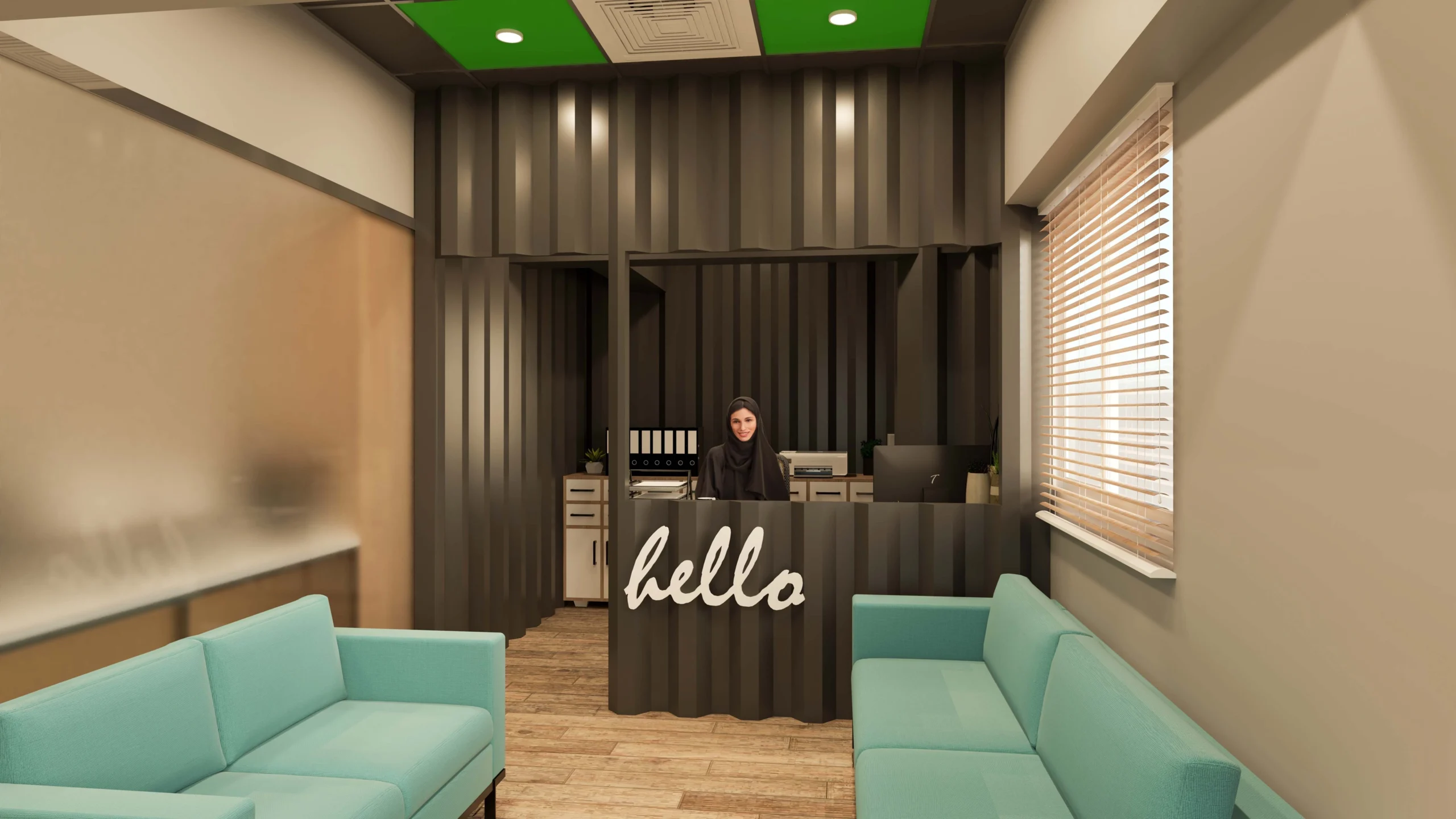
Cognitive Comfort: How Thoughtful Layouts Reduce Daily Stress

I am writing this from a quiet corner of a gallery in Mayfair, where the afternoon light falls at precisely the angle that makes the limestone walls glow like warmed honey. There is a particular stillness here, the kind that does not arrive by accident. Someone, at some point, made a series of deliberate decisions: where to position the seating, how to orient the room toward the garden, which materials to allow and which to refuse. The result is a space that does not merely exist; it breathes. It is this quality, this almost imperceptible intelligence embedded within a layout, that I have spent the better part of two decades chasing on behalf of my clients. And it is this quality that sits at the very heart of what I wish to explore with you today: cognitive comfort in interior design, and the profound, measurable way that thoughtful spatial arrangement can reduce the texture of daily stress.

We live in an era of relentless stimulation. The notifications, the open-plan offices, the homes that have become simultaneously studios, schools, and boardrooms. The modern environment asks an extraordinary amount of the human nervous system, and yet so few of us pause to interrogate the spaces we inhabit with any real rigour. We accept clutter as inevitable, poor circulation as a quirk of the floor plan, and visual noise as simply the price of contemporary living. I would argue, with considerable conviction, that this acceptance is both unnecessary and quietly costly. The way a room is laid out is not a neutral act; it is a conversation with the mind of every person who enters it, and that conversation either soothes or agitates, clarifies or confuses.

The architecture of your legacy is defined not merely by the objects you choose, but by the standard of life you refuse to compromise on. At The Shape Interiors, we specialise in the silent language of luxury, transforming raw space into sophisticated environments that resonate with the human spirit and professional excellence. Whether you are defining a private sanctuary or a global corporate headquarters, the requirement remains the same: a vision executed with absolute precision.

We invite you to explore our work and discover why the world’s most discerning individuals trust us with their most personal and professional environments.

Refine Your World.

Your journey toward an unparalleled environment begins with a single conversation. Connect with our global design team to initiate your bespoke project.

Start the Conversation Now.

Frequently Asked Question

What does cognitive comfort in interior design actually mean?

Cognitive comfort in interior design refers to the deliberate arrangement of space, light, material, and circulation to support the brain’s natural need for clarity, calm, and ease. It is the practice of designing environments that reduce attentional load, minimise visual noise, and create conditions in which the nervous system can genuinely relax. Rather than treating a room as a purely aesthetic exercise, cognitive comfort considers the psychological and neurological experience of the person inhabiting it, ensuring that every spatial decision serves both the eye and the mind with equal intelligence and care.

How does room layout specifically contribute to reducing daily stress?

The layout of a room governs how the body moves through space, where the eye rests, and how the brain processes its environment. A poorly considered layout, one with obstructed circulation, competing focal points, or furniture positioned without regard for natural light, creates a series of micro-stresses that accumulate across the day into genuine fatigue. A thoughtful layout, by contrast, provides clear sightlines, generous pathways, and a logical hierarchy of function that allows the mind to navigate without effort. This reduction in spatial friction translates directly into a measurable reduction in daily stress and an improvement in overall wellbeing.

Which materials are most effective for creating a calming interior environment?

Materials that carry a sense of permanence, natural origin, and tactile honesty tend to be the most effective in creating calm interiors. Honed stone, aged leather, hand-woven textiles, unlacquered metals, and hand-plastered walls all communicate a quality of stillness that synthetic or highly processed materials cannot replicate. Beyond their visual qualities, these materials also perform acoustically and thermally in ways that support comfort: natural fibres absorb sound, stone regulates temperature, and the subtle irregularities of handmade surfaces provide the eye with a gentle, restorative engagement rather than the visual monotony of machine-perfect finishes.

Can cognitive comfort principles be applied to smaller homes or apartments?

Absolutely, and in many respects, the principles of cognitive comfort in interior design are even more critical in smaller spaces, where the consequences of poor layout and visual clutter are felt more acutely. The edit becomes paramount: every object must earn its presence, every piece of furniture must serve multiple functions without compromising the clarity of the room. Strategic use of mirrors to extend sightlines, a disciplined material palette to create visual coherence, and the careful layering of light to define zones within a single room are all tools that transform a modest space into one that feels genuinely expansive and calm.

How important is lighting in the context of spatial philosophy and daily wellbeing?

Lighting is, I would argue, the single most powerful variable in the creation of a psychologically supportive interior. It governs mood, supports the body’s circadian rhythm, defines the perceived scale of a room, and communicates the emotional register of a space more immediately than any other design element. A layered lighting scheme, one that transitions from bright and directional during working hours to warm and ambient in the evening, aligns the interior environment with the body’s natural biological rhythms. This alignment is not merely comfortable; it is restorative, and it represents one of the most intelligent investments a homeowner or developer can make in the long-term quality of a space.

Leave a Reply