
I am writing this from a quiet corner of a gallery in Mayfair, where a single Carrara marble console sits beneath a pool of afternoon light, its surface veined with the kind of geological patience that no factory can replicate. There is a stillness to it, a quiet authority that speaks not of trend cycles or seasonal palettes, but of something far more enduring. It is precisely this quality, this refusal to apologise for its own permanence, that I find myself returning to again and again in my work. We are, I believe, living through a profound cultural correction: the anti-disposable era is upon us, and the most discerning among us are finally asking the right questions about timeless interiors and what it truly means to invest in a space.
For too long, the interiors world has been seduced by the democratisation of design, a phenomenon that brought beautiful aesthetics within reach of many but simultaneously flooded our homes with objects engineered for obsolescence. Flat-pack furniture, trend-led collections refreshed every six months, surfaces that mimic the real thing without ever becoming it. I have walked through countless spaces that looked extraordinary in a photograph and felt utterly hollow in person. The camera cannot capture the weight of aged brass, the cool resistance of honed limestone underfoot, or the way a piece of properly seasoned oak seems to breathe with the room. These are the sensory truths that separate a curated interior from a decorated one.
Material Intelligence: Choosing Raw Honesty Over Surface Illusion
The Hierarchy of Natural Materials
If permanence is the philosophy, then material intelligence is the practice. To invest in pieces that age with dignity, one must first develop an intimate understanding of materials: their origins, their behaviours, their vulnerabilities, and their extraordinary capacity for beauty over time. At the apex of this hierarchy sit the raw, unmediated materials: marble in its many geological personalities, from the cool grey of Pietra Serena to the dramatic veining of Calacatta Gold; solid hardwoods that carry the memory of their forest origins in every grain; aged leather that softens and deepens with use; hand-forged metals that develop a living surface as the years pass.
What distinguishes these materials from their synthetic counterparts is not merely aesthetics but honesty. A marble surface does not pretend to be anything other than what it is: a slice of geological history, formed over millions of years, unique in every square centimetre. A piece of engineered stone, however convincing in a showroom, carries none of this narrative weight. It is, at its core, a performance, and performances, however polished, eventually reveal their limitations. The spaces I find most compelling are those in which every material is present on its own terms, unapologetic and unmediated.
The Art of the Considered Edit
Material intelligence also demands restraint. The anti-disposable era is not an invitation to accumulate more; it is, in fact, a call to accumulate less, but better. The edit is perhaps the most powerful tool in a designer’s vocabulary. A single extraordinary piece, given space to breathe and light to inhabit, will always outperform a room crowded with competent mediocrity. I have always believed that the most sophisticated interiors are defined as much by what has been removed as by what remains. Every object that earns its place in a room must justify its presence through quality, provenance, or emotional resonance, and ideally through all three simultaneously.
The Architecture of Investment: Building a Space That Endures
Structural Decisions as Long-Term Commitments
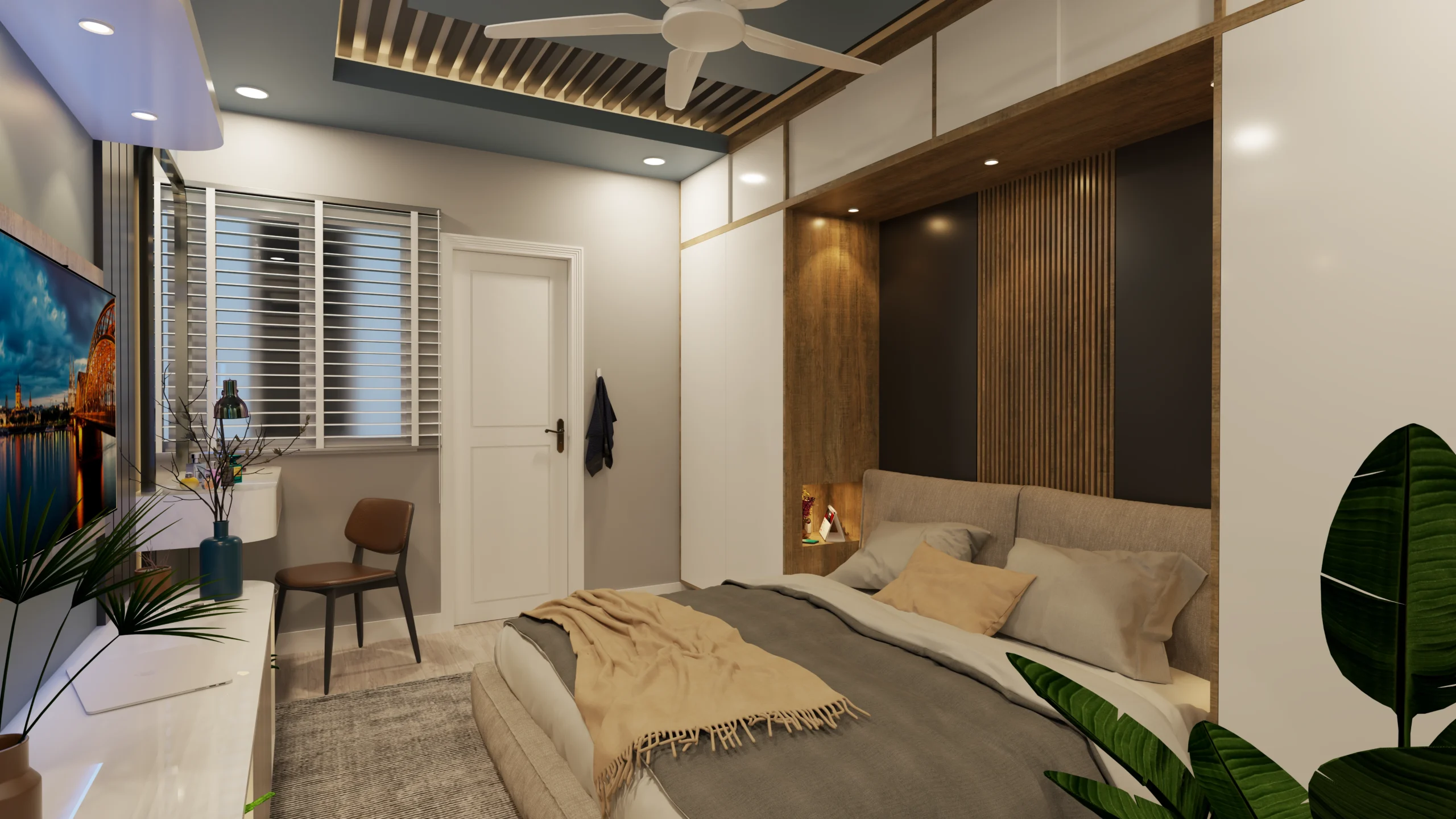
When we speak of investing in pieces that age with dignity, we must begin not with furniture or objects but with the architectural fabric of the space itself. The decisions made at the structural level, the choice of flooring, the treatment of walls, the specification of joinery, are the decisions that will define a room for decades. Solid stone flooring, properly sealed and maintained, will outlast every trend cycle and every occupant. Bespoke joinery, crafted from genuine hardwood and designed with architectural precision, will integrate into a space in a way that no freestanding piece ever can. These are the investments that form the bones of a timeless interior, and they deserve the same level of consideration as any artwork or statement piece.
At The Shape Interiors, this architectural approach to investment is central to how we work with our clients. We begin every project by asking what the space needs to feel in fifty years, not merely what it needs to look like next season. This long view shapes every specification, from the depth of a skirting board to the weight of a door handle, and it is this commitment to structural permanence that separates genuinely enduring interiors from those that merely photograph well.
The Curated Essentials: Elena’s Design Dictates for the Anti-Disposable Interior
- Invest in the floor first: Stone, solid hardwood, or large-format porcelain of genuine quality will anchor every design decision that follows and will outlast every other element in the room.
- Choose solid over veneered: Where joinery and furniture are concerned, solid timber will age with grace; veneered or laminated surfaces will eventually betray their construction.
- Specify natural metals: Brass, bronze, and blackened steel develop a living patina over time; chrome and nickel, by contrast, show every mark and resist the passage of time rather than embracing it.
- Edit ruthlessly: Every object in a room should earn its place through quality, provenance, or emotional significance. If it does none of these things, it does not belong.
- Commission over purchase: Where budget allows, bespoke pieces designed for a specific space will always outperform off-the-shelf solutions in terms of proportion, quality, and longevity.
- Consider the scent of a room: Natural materials, from aged leather to oiled timber, contribute to the olfactory atmosphere of a space in ways that synthetic materials cannot. This is a dimension of luxury that is frequently overlooked.
- Prioritise weight and substance: Objects of genuine quality have a physical presence, a weight and solidity, that communicates their value before any other quality is perceived. Never underestimate the importance of heft.
Cultural Memory and the Spaces We Leave Behind
Design as a Form of Stewardship
There is a concept in Japanese aesthetics known as mono no aware, the bittersweet awareness of impermanence, and it has always struck me as deeply relevant to the way we approach interior design in the West. We live in a culture that celebrates the new with an almost evangelical fervour, yet the spaces that move us most profoundly are invariably those that carry the weight of time. A library lined with books that have been read and re-read, their spines softened with use. A dining table scarred by decades of family meals. A stone floor worn smooth by generations of footsteps. These are not imperfections; they are the accumulated evidence of a life fully inhabited, and they are, in the truest sense, irreplaceable.
To design with this awareness is to practise a form of stewardship. We are not merely creating spaces for ourselves; we are creating spaces that will outlive us, that will be inhabited by people we will never meet, and that will carry forward some trace of the values and sensibilities we brought to their creation. This is a responsibility that I find both humbling and deeply motivating. The anti-disposable era, at its most philosophical, is an invitation to design not for the moment but for the long arc of human experience.
The Quiet Power of Restraint and Refinement
Ultimately, the spaces that endure are those that were conceived with a kind of quiet confidence, a willingness to resist the seductive noise of trend and to trust instead in the timeless grammar of proportion, material, and light. There is nothing passive about this restraint; it requires considerable knowledge, discipline, and a refined aesthetic sensibility that is developed over years of looking, travelling, and living with beautiful things. The most enduring interiors I have encountered, from a centuries-old palazzo in Venice to a meticulously restored Georgian townhouse in Edinburgh, share a common quality: they feel inevitable. Every element seems to belong precisely where it is, as though the space could not have been conceived any other way.
This sense of inevitability is not accidental. It is the product of deep thinking, careful editing, and an unwavering commitment to quality over convenience. It is, in every sense, the antithesis of the disposable, and it is the standard to which I believe every serious interior should aspire. As we move further into this anti-disposable era, I find myself increasingly convinced that the most radical act available to us as designers and as clients is simply this: to choose well, to choose once, and to choose for keeps. The rooms that will matter in fifty years are being designed right now, and they will be defined not by their adherence to any particular trend but by the integrity of their materials, the intelligence of their composition, and the depth of the human intention behind them.
I wonder, as I sit here watching the afternoon light shift across that Mayfair marble console, whether we are finally ready to embrace the quiet discipline that genuine quality demands. Whether we are prepared to slow down, to look more carefully, and to invest not just financially but emotionally and intellectually in the spaces we inhabit. The anti-disposable era is not a trend; it is a reckoning, and I believe it is long overdue. I would love to know your thoughts: what piece in your own home carries the kind of weight and history that I have been describing here, and what does its presence mean to you?
The architecture of your legacy is defined not merely by the objects you choose, but by the standard of life you refuse to compromise on. At The Shape Interiors, we specialise in the silent language of luxury, transforming raw space into sophisticated environments that resonate with the human spirit and professional excellence. Whether you are defining a private sanctuary or a global corporate headquarters, the requirement remains the same: a vision executed with absolute precision.
We invite you to explore our work and discover why the world’s most discerning individuals trust us with their most personal and professional environments.
Refine Your World.
Your journey toward an unparalleled environment begins with a single conversation. Connect with our global design team to initiate your bespoke project.