
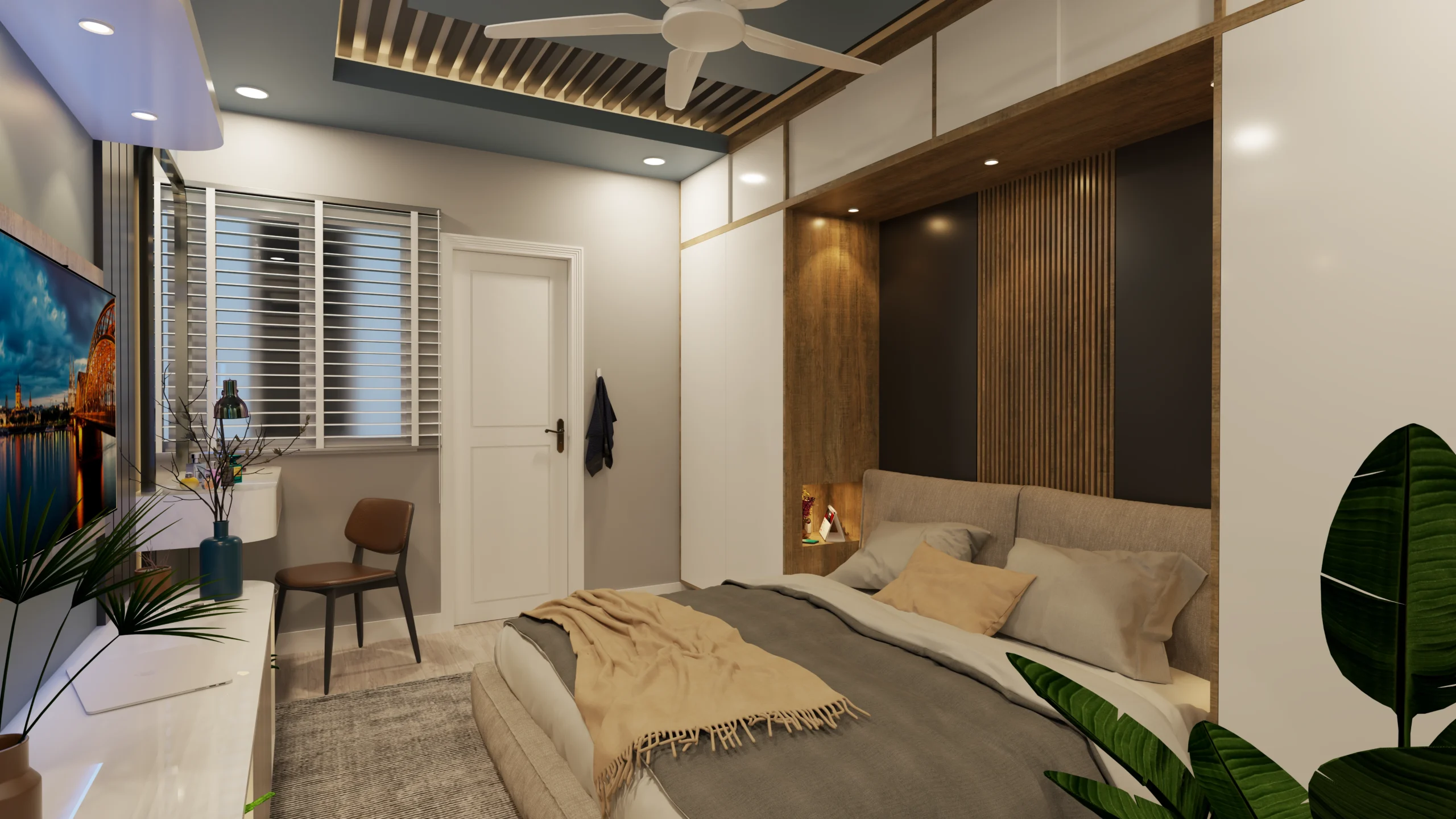
I am writing this from a quiet corner of a gallery in Mayfair, where a single slab of book-matched Verde Alpi marble commands an entire wall with the kind of authority that no amount of gilding could manufacture. There is a stillness here, a sense that the room has been composed rather than merely decorated, and it is precisely this quality of intentional permanence that has occupied my thoughts considerably of late. The conversation around sustainable luxury interiors has shifted, and shifted dramatically, from the peripheral to the essential. It is no longer a footnote in a design brief; it is the very premise upon which considered spaces are now being built. For those of us who have always championed material intelligence over momentary trend, this is not a revolution so much as a long-overdue reckoning.
What does it mean, truly, to design with longevity as your north star? It means resisting the seductive pull of the seasonal, the disposable, the gratuitously novel. It means understanding that a room of genuine distinction is one that will feel as relevant in four decades as it does today, not because it has been frozen in amber, but because it was conceived with the kind of architectural rigour and material honesty that transcends the calendar. This is the philosophy at the heart of sustainable grandeur, and it is one I return to with every project, every client conversation, every carefully considered specification.
The Architecture of Permanence: Why Sustainable Luxury Interiors Begin With Structure
The Foundation Beneath the Surface
Before a single piece of furniture is selected, before a fabric is draped or a stone is sourced, the most enduring interiors are defined by their structural integrity. I have always maintained that the bones of a room are its biography, and when those bones are honest, the space carries a quiet confidence that no amount of surface embellishment can replicate. In the context of sustainable luxury interiors, this means investing in architectural interventions that will outlast trends: bespoke joinery crafted from sustainably harvested hardwoods, plasterwork that references classical proportion, and flooring laid with the kind of precision that speaks of genuine craft rather than expedient installation. These are not decorative choices; they are philosophical ones.
Consider the difference between a room built on a foundation of reclaimed oak parquet, its grain telling the story of a previous century, and one laid with a synthetic alternative that mimics the aesthetic without possessing the soul. The former will age with extraordinary grace, developing a patina that deepens its character with every passing year. The latter will simply age. This distinction, seemingly subtle on paper, is seismic in practice, and it is one that the most discerning clients understand instinctively. They are not purchasing a room; they are commissioning a legacy.
Material Provenance as a Design Value
The provenance of a material is, in my view, as significant as its visual quality. Knowing that a slab of Calacatta marble was quarried responsibly, that a length of aged leather was tanned using traditional methods by a family atelier with generations of expertise, that a bespoke bronze fitting was cast by a craftsman who learned his trade from his grandfather: these narratives do not merely satisfy an ethical impulse. They imbue a space with a depth of meaning that purely aesthetic choices cannot achieve. Sustainable grandeur is, at its core, a form of storytelling, and the most compelling stories are those rooted in authenticity. When I specify materials for a project, I am not simply selecting surfaces; I am curating a collection of objects that will carry meaning forward through time.
The Edit as an Act of Discipline: Curating Spaces That Endure
Against the Tyranny of Accumulation
There is a particular kind of room that I find deeply troubling, and it is one I encounter with some regularity in the world of high-end residential design. It is the room that has been filled rather than composed, where acquisition has been mistaken for curation, and where the sheer volume of objects has smothered any possibility of atmosphere. True sustainable luxury interiors are defined not by what they contain, but by what they have had the discipline to exclude. The edit is, in my practice, the most demanding and the most rewarding part of the design process. It requires a willingness to prioritise the essential over the impressive, the resonant over the merely expensive.
I think often of the great Japanese concept of ma, the meaningful pause, the productive emptiness that gives form its power. A room that breathes, that allows the eye to rest and the mind to settle, is a room that will never feel dated, because it has never been cluttered with the ephemeral. This is not minimalism in the austere, clinical sense; it is a more nuanced and, I would argue, more sophisticated proposition. It is the art of choosing with absolute conviction, of placing a single extraordinary object where ten mediocre ones might otherwise have gathered, and trusting that quality of presence over quantity of possession.
The Curated Essentials: Elena’s Design Dictates for Sustainable Grandeur
For those who wish to translate this philosophy into practice, I offer the following principles, distilled from years of working with clients who understand that the finest spaces are those built to last:
- Invest in raw, natural materials with documented provenance: stone, solid timber, aged leather, and hand-woven textiles that will develop character rather than deteriorate.
- Commission bespoke joinery over purchased furniture wherever possible; a piece made specifically for a space will always possess a coherence that a catalogue item cannot replicate.
- Prioritise architectural lighting over decorative fixtures; the quality of light in a room is its most transformative and most enduring design element.
- Resist seasonal colour palettes in favour of tones drawn from the natural world: warm stone, deep forest, aged bronze, and the particular grey of a winter sea.
- Specify for repairability; a sofa with a replaceable cover, a floor that can be re-sanded, a wall finish that can be refreshed, these are the marks of intelligent, sustainable design thinking.
- Edit with rigour; every object in a room should earn its place through beauty, function, or meaning, and ideally through all three simultaneously.
- Consider the sensory whole: the scent of natural beeswax polish, the sound of a solid door closing, the cool weight of a stone surface beneath the hand. Luxury is experienced through every sense, not merely the visual.
Timeless Interiors and the Language of Craft
Why Handcraft Remains the Ultimate Luxury
In an age of algorithmic design and rapid manufacture, the handmade object carries a charge that the machine-produced simply cannot replicate. I am speaking not of the self-consciously artisanal, the deliberately rough-hewn aesthetic that has become its own kind of trend, but of genuine craft: the kind that requires years of apprenticeship, a deep understanding of material behaviour, and a commitment to precision that is, in the truest sense, a form of love. When I specify a hand-plastered wall finish, a hand-knotted rug woven to a bespoke commission, or a piece of furniture jointed by a cabinetmaker who has spent three decades perfecting his technique, I am making a statement about value that transcends cost. I am saying that this space was made by human hands, with human intelligence, and it will endure because of that.
The team at The Shape Interiors has always held this conviction at the centre of its practice, and it is a conviction that resonates with particular force in the current cultural moment, when the appetite for the authentic, the considered, and the genuinely crafted has never been more acute. Clients who once might have been satisfied with a beautifully styled room are now asking deeper questions: Where was this made? By whom? Will it last? These are the right questions, and they are the questions that sustainable grandeur is designed to answer.
The Patina of Time as a Design Intention
There is a quality that the finest materials share, and it is one that cannot be manufactured or accelerated: the patina of time. Aged brass that has deepened to a warm, complex gold; leather that has softened and moulded itself to the contours of use; linen that has been washed to a particular, irreplaceable softness; stone that carries the memory of light across its surface. These are not signs of wear; they are signs of life, and they are among the most beautiful things a room can possess. To design with patina in mind is to design with a profound respect for the future, to create spaces that will not merely survive the passage of time but will be enriched by it. This is, perhaps, the most radical and the most necessary redefinition of luxury that our moment demands.
Sustainable Grandeur as a Cultural Responsibility
The Ethics of the Extraordinary
Luxury, at its most evolved, is not a display of wealth; it is an expression of values. The client who commissions a space built on principles of sustainable grandeur is making a statement that extends far beyond the aesthetic: they are declaring a commitment to quality over quantity, to longevity over novelty, to the kind of considered consumption that respects both the natural world and the human expertise required to transform its materials into objects of enduring beauty. This is a profoundly ethical position, and it is one that I believe will define the most significant interiors of the coming decades. The era of the disposable, the fast, and the merely fashionable is drawing to a close, and in its place, a more intelligent, more responsible, and ultimately more beautiful approach to the designed environment is emerging.
I think of the great houses of Europe, those spaces that have absorbed centuries of life and emerged not diminished but deepened by the experience. They were not designed to be fashionable; they were designed to be true, to the materials they employed, to the craft traditions they honoured, and to the lives they were intended to contain. This is the standard against which I measure every project, every specification, every decision. Not: is this beautiful now? But: will this be beautiful always?
A Philosophy for the Long View
Sustainable luxury interiors, understood in their fullest sense, are an act of optimism. They presuppose a future worth designing for, a life worth living with intention, and a world in which the things we make and the spaces we inhabit carry meaning beyond the moment of their creation. To choose a material that will outlast you, to commission a piece of craft that will be passed to the next generation, to design a room that will absorb the full complexity of a life lived within it: these are not merely aesthetic decisions. They are philosophical ones, and they are, I would argue, among the most important decisions a person of means and discernment can make. The room that endures is the room that was designed with love, with rigour, and with an absolute refusal to mistake the temporary for the true.
As I look up from my notebook and regard the marble wall before me once more, I am struck, as I always am in the presence of genuine material beauty, by a sense of gratitude. Gratitude for the quarry worker, the stonemason, the designer who understood that this particular stone, in this particular light, would say something that words cannot. This is what sustainable grandeur means to me: not a trend, not a certification, not a marketing proposition, but a deep and abiding commitment to the idea that the spaces we inhabit should be worthy of the lives we aspire to live. I wonder, as I close my notebook and prepare to leave this quiet corner of Mayfair, whether you feel the same pull toward the permanent, the considered, and the genuinely beautiful. I suspect, if you have read this far, that you do. And I would very much like to hear your thoughts in the comments below.
The architecture of your legacy is defined not merely by the objects you choose, but by the standard of life you refuse to compromise on. At The Shape Interiors, we specialise in the silent language of luxury, transforming raw space into sophisticated environments that resonate with the human spirit and professional excellence. Whether you are defining a private sanctuary or a global corporate headquarters, the requirement remains the same: a vision executed with absolute precision.
We invite you to explore our work and discover why the world’s most discerning individuals trust us with their most personal and professional environments.
Refine Your World.
Your journey toward an unparalleled environment begins with a single conversation. Connect with our global design team to initiate your bespoke project.