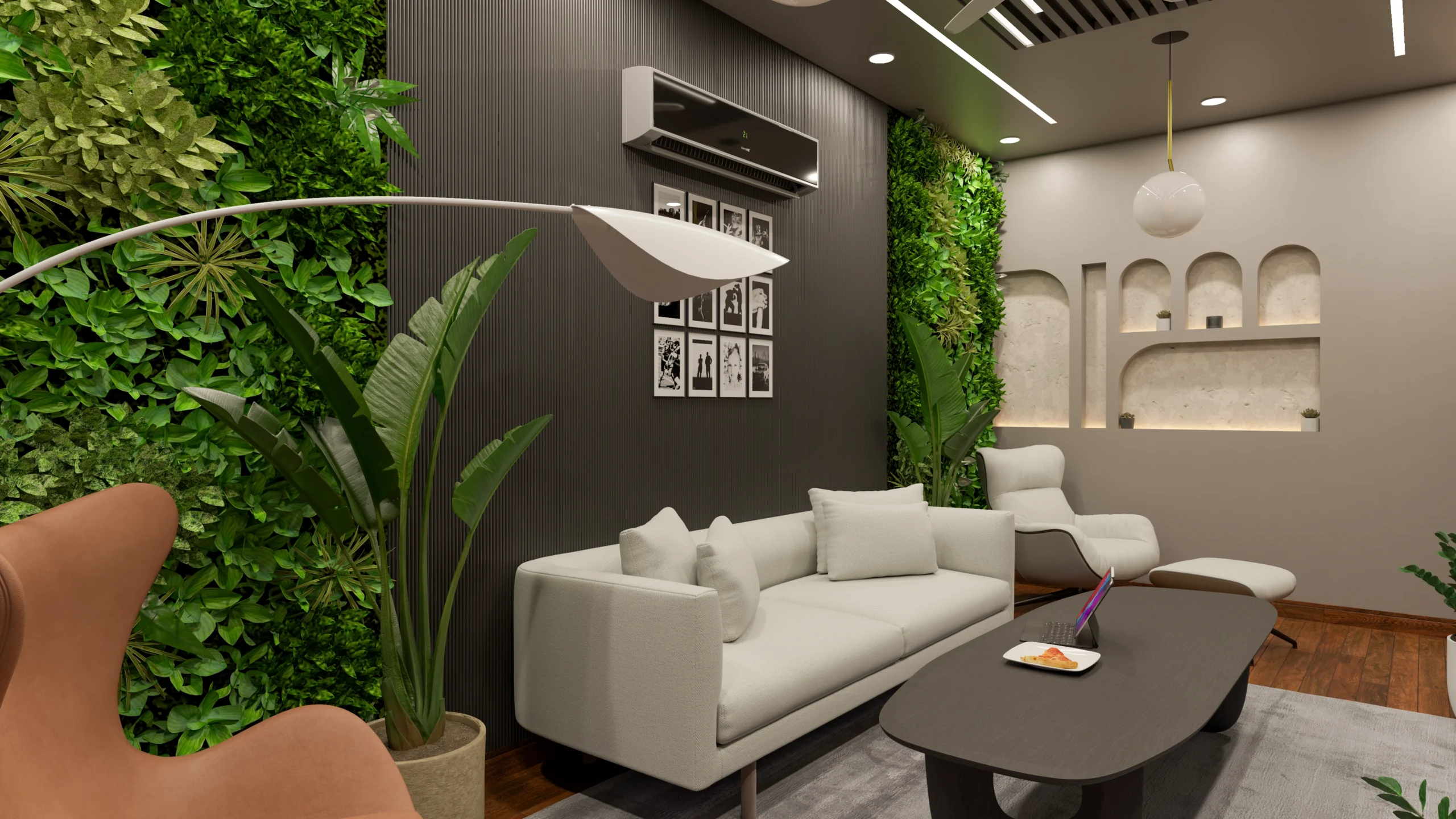
The Invisible Grid: How Designers Map Out Perfect Room Flow

I am writing this from a quiet corner of a gallery in Mayfair, where a temporary exhibition of mid-century architectural drawings has stopped me entirely in my tracks. There is something profoundly moving about seeing a room reduced to its purest geometry: pencil lines on cream paper, each one a decision, a commitment, a conversation between the designer and the space itself. It is here, surrounded by these skeletal blueprints, that I find myself thinking about the invisible grid, that silent, structural logic that separates a room which merely exists from one that genuinely breathes. Perfect room flow is not an accident. It is not the result of beautiful furniture placed instinctively, nor is it the product of a generous budget alone. It is the consequence of a disciplined, almost mathematical understanding of how human beings move through, inhabit, and feel within a space.

The invisible grid is, at its heart, a philosophy before it is a technique. It asks the designer to consider not just what a room looks like, but what it does, how it performs, how it makes the body feel upon entering. At The Shape Interiors, this spatial choreography is the foundation upon which every project is built, long before a single material is selected or a single piece of furniture is sourced. And it is this foundational thinking, I believe, that distinguishes truly exceptional interiors from those that are merely expensive.

The architecture of your legacy is defined not merely by the objects you choose, but by the standard of life you refuse to compromise on. At The Shape Interiors, we specialise in the silent language of luxury, transforming raw space into sophisticated environments that resonate with the human spirit and professional excellence. Whether you are defining a private sanctuary or a global corporate headquarters, the requirement remains the same: a vision executed with absolute precision.

We invite you to explore our work and discover why the world’s most discerning individuals trust us with their most personal and professional environments.

Refine Your World.

Your journey toward an unparalleled environment begins with a single conversation. Connect with our global design team to initiate your bespoke project.

Start the Conversation Now.

Frequently Asked Question

What exactly is the invisible grid in interior design?

The invisible grid is the underlying spatial logic that governs how a room functions and feels, independent of its aesthetic surface. It encompasses the circulation paths that allow the body to move intuitively through a space, the placement of focal points that anchor the eye, the strategic use of negative space, and the layering of light and material to guide experience. It is not a physical structure but a disciplined framework of decisions, made before a single piece of furniture is selected, that determines whether a room merely looks beautiful or genuinely performs as a living, breathing environment of the highest order.

How does perfect room flow affect the daily experience of a space?

Perfect room flow operates largely below the threshold of conscious awareness, which is precisely what makes it so powerful. When circulation paths are clear and intuitive, when furniture is positioned in harmony with the room’s natural grain, and when light and material transitions are handled with intelligence, the body moves through the space without friction or hesitation. The cumulative effect is a profound sense of ease and wellbeing that residents often describe as the room simply feeling right. Conversely, when flow is compromised, even the most expensively furnished interior will carry a persistent, low-level discomfort that erodes the quality of daily life over time.

Why is negative space considered a luxury in high-end interior design?

In the context of luxury interior design, negative space represents the ultimate exercise of restraint and confidence. It signals that the designer, and by extension the client, possesses the sophistication to resist the cultural pressure to fill every surface and occupy every corner. The great interiors of history, from the spare luminosity of Japanese domestic architecture to the grand, unhurried proportions of Georgian reception rooms, all share a masterful command of emptiness as a design material. Negative space gives the eye room to rest, allows the body to breathe, and ensures that the objects and materials that are present are experienced with the full attention and appreciation they deserve.

How do designers use light to support room flow and spatial hierarchy?

Light is perhaps the most powerful and least tangible tool in the spatial designer’s repertoire. Natural light establishes the temporal rhythm of a room, shifting its emotional register from the cool clarity of morning to the warm amber of late afternoon, and a well-considered floor plan will position the primary seating and activity zones to take full advantage of these shifts. Artificial lighting, layered across ambient, task, and accent sources, can define the boundaries of a seating area, draw the eye along a corridor, and illuminate focal points with the precision of a gallery curator. When deployed in service of the invisible grid, light becomes a choreographer of movement and mood simultaneously.

What is the relationship between material selection and spatial flow?

Material selection and spatial flow are inseparable disciplines at the highest level of interior design. The surfaces that line a room, its floors, walls, and furnishings, communicate directly with the body, guiding movement and modulating emotional experience in ways that precede conscious thought. The transition from a cool marble entrance hall to a warm, wool-carpeted drawing room is a shift in spatial register as much as a change of surface, and when these transitions are positioned thoughtfully at thresholds rather than mid-room, they become integral components of the invisible grid itself. Material intelligence is, ultimately, the art of understanding how physical surfaces shape the human experience of space.

Leave a Reply