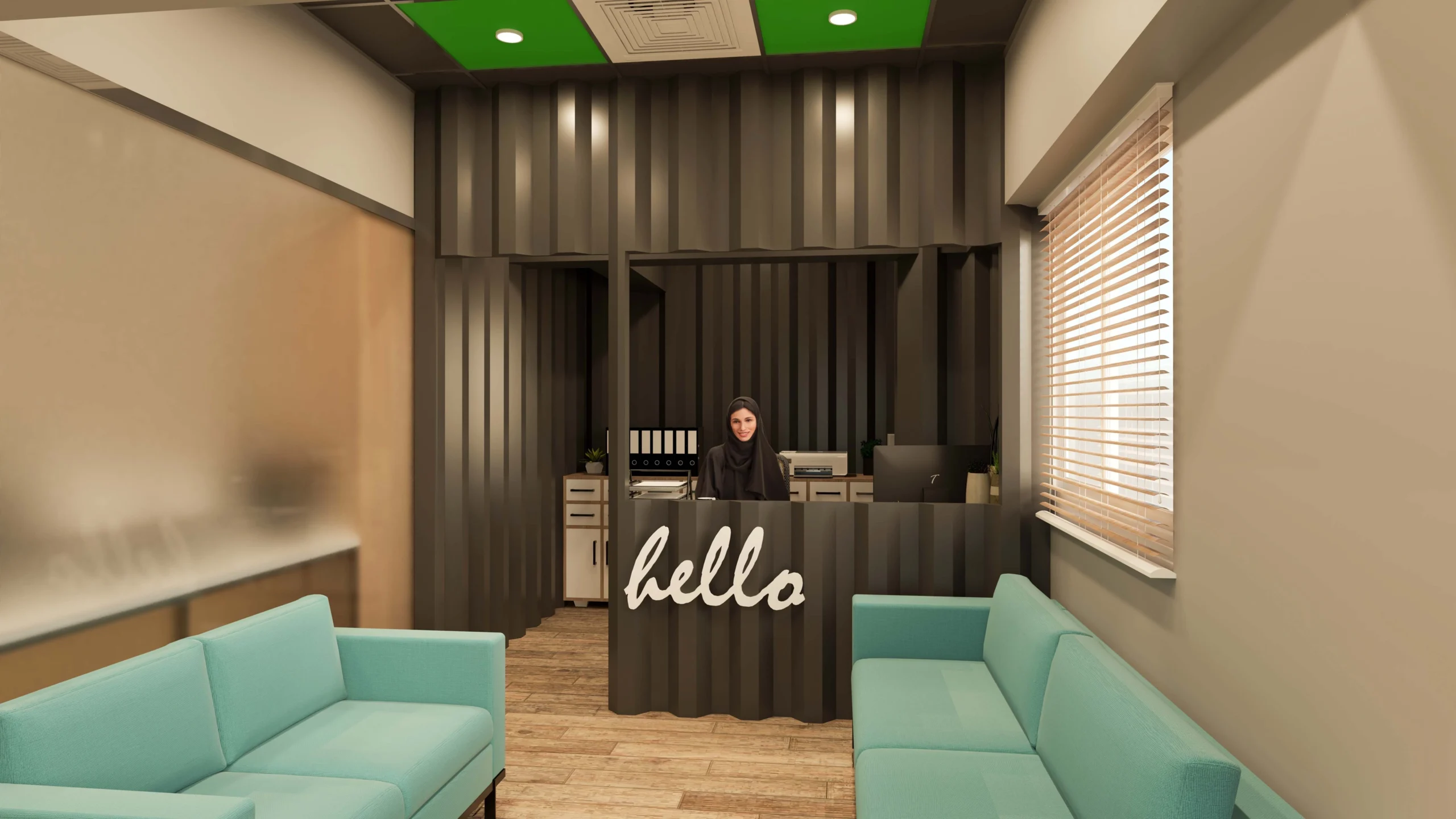
The Sanctuary Mindset: Designing for Emotional Wellbeing

I am writing this from a quiet corner of a gallery in Mayfair, where the afternoon light falls at precisely the angle that reminds me why I chose this profession. There is a particular quality to well-considered space, a kind of held breath, a sense that the room itself is listening. It is that quality I have spent the better part of two decades chasing, refining, and ultimately delivering to clients who understand that a home is not merely a container for living, but the very architecture of how one feels. Today, I want to speak to you about something that sits at the very heart of my practice: designing for emotional wellbeing, and the sanctuary mindset that makes it possible. This is not a conversation about trends or palettes chosen for their Instagram legibility. This is something far more considered, far more enduring.

The architecture of your legacy is defined not merely by the objects you choose, but by the standard of life you refuse to compromise on. At The Shape Interiors, we specialise in the silent language of luxury, transforming raw space into sophisticated environments that resonate with the human spirit and professional excellence. Whether you are defining a private sanctuary or a global corporate headquarters, the requirement remains the same: a vision executed with absolute precision.

We invite you to explore our work and discover why the world’s most discerning individuals trust us with their most personal and professional environments.

Refine Your World.

Your journey toward an unparalleled environment begins with a single conversation. Connect with our global design team to initiate your bespoke project.

Start the Conversation Now.

Frequently Asked Question

What does "designing for emotional wellbeing" actually mean in practice?

Designing for emotional wellbeing moves beyond the purely visual to consider how a space makes its occupant feel at a physiological and psychological level. It encompasses the quality and direction of natural light, the acoustic character of a room, the tactile warmth of materials, and the spatial proportions that govern how the body relates to its environment. In practice, it means making deliberate decisions about every sensory layer of a space, from the coolness of a stone floor underfoot to the acoustic softness of layered textiles, with the explicit intention of creating an environment that restores, calms, and sustains the human spirit over time.

How does spatial philosophy differ from conventional interior design?

Conventional interior design often prioritises the visual and the functional: how a space looks, how it flows, how it accommodates the practical requirements of daily life. Spatial philosophy, as I practise it, goes deeper. It asks what a space means, how it communicates, and what emotional contract it makes with its occupant. It draws on environmental psychology, architectural theory, and a deep understanding of human sensory experience to create rooms that do not merely look beautiful but feel profoundly right. It is the difference between a space that impresses and a space that restores, and it is the latter that I am always in pursuit of.

Why are raw materials like marble and aged leather so important to emotional sanctuary?

Raw, natural materials carry an emotional intelligence that processed or synthetic alternatives simply cannot replicate. Marble, with its geological weight and cool, grounding surface, communicates permanence and calm. Aged leather speaks of continuity and depth, of a world that values things which improve with time and use. These materials engage the senses in ways that are both immediate and enduring; they feel different underfoot, to the touch, even in the quality of light they reflect. In a space designed for emotional wellbeing, material choice is never merely aesthetic. It is a fundamental decision about the emotional character of the environment and the quality of experience it will sustain.

How can the principle of "the edit" improve emotional wellbeing in a home?

The edit, the deliberate removal of everything that does not serve the space’s emotional purpose, is one of the most powerful tools available to the thoughtful designer. Clutter, even beautiful clutter, creates a low-level cognitive and emotional burden. It fragments attention, introduces visual noise, and prevents a room from achieving the quality of stillness that genuine sanctuary requires. By editing ruthlessly and regularly, retaining only what is truly loved, truly used, or truly beautiful, one creates the conditions for a room to breathe. That breathing quality is not merely aesthetic; it is deeply restorative, allowing the mind and body to decompress in a way that a crowded, over-furnished space simply cannot support.

Can designing for emotional wellbeing work in a corporate or professional environment?

Absolutely, and I would argue it is even more critical in professional environments than in residential ones. The spaces in which people work, make decisions, and collaborate have a profound influence on their cognitive clarity, creative capacity, and emotional resilience. A boardroom or executive office designed with the sanctuary mindset, with considered light, acoustic comfort, quality materials, and spatial generosity, communicates authority and care simultaneously. It signals to everyone who enters that the organisation values human experience, not merely productivity. In my experience, the most effective professional spaces are those that have been designed with the same philosophical rigour and sensory intelligence as the finest private residences.

Leave a Reply