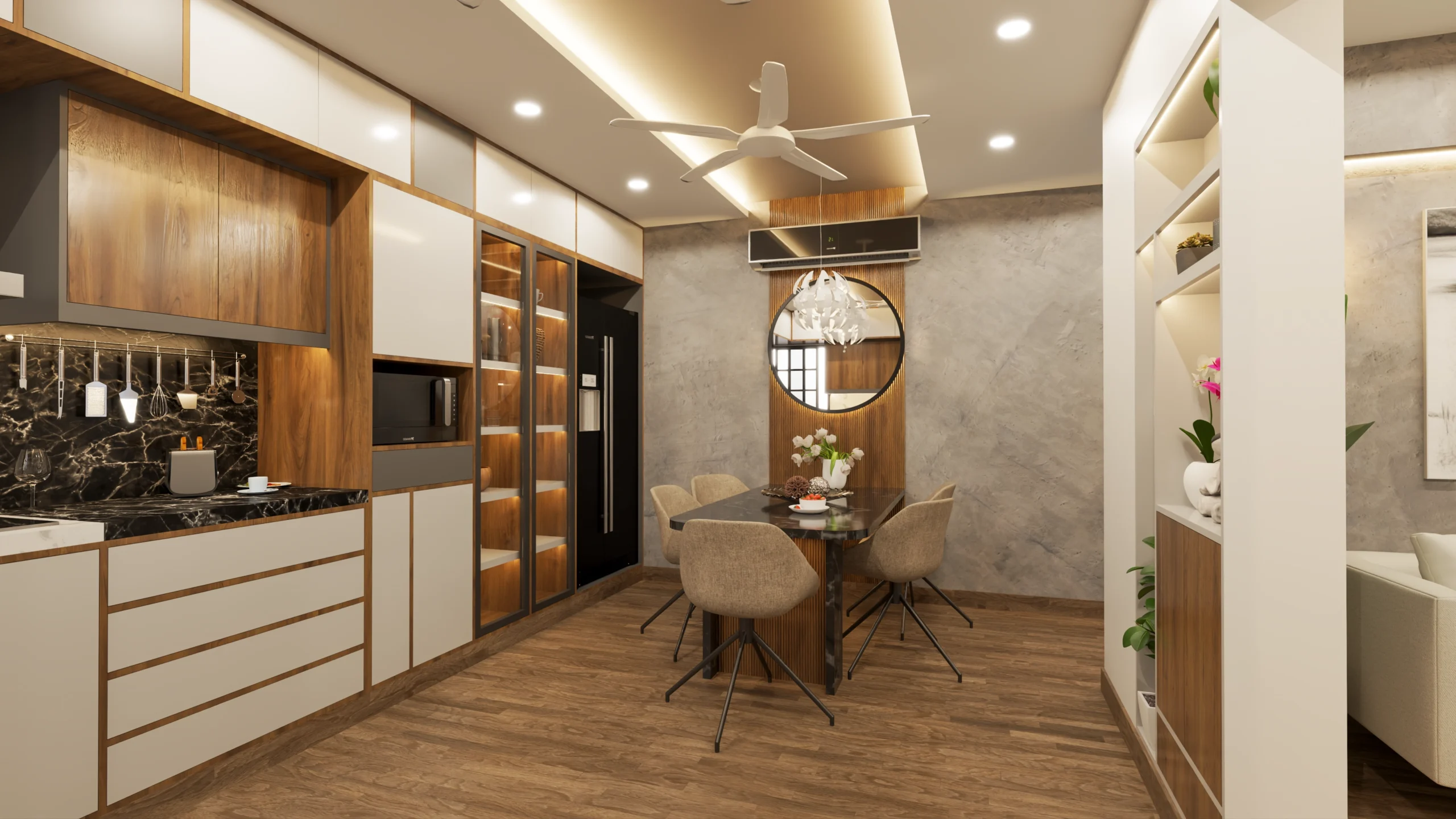
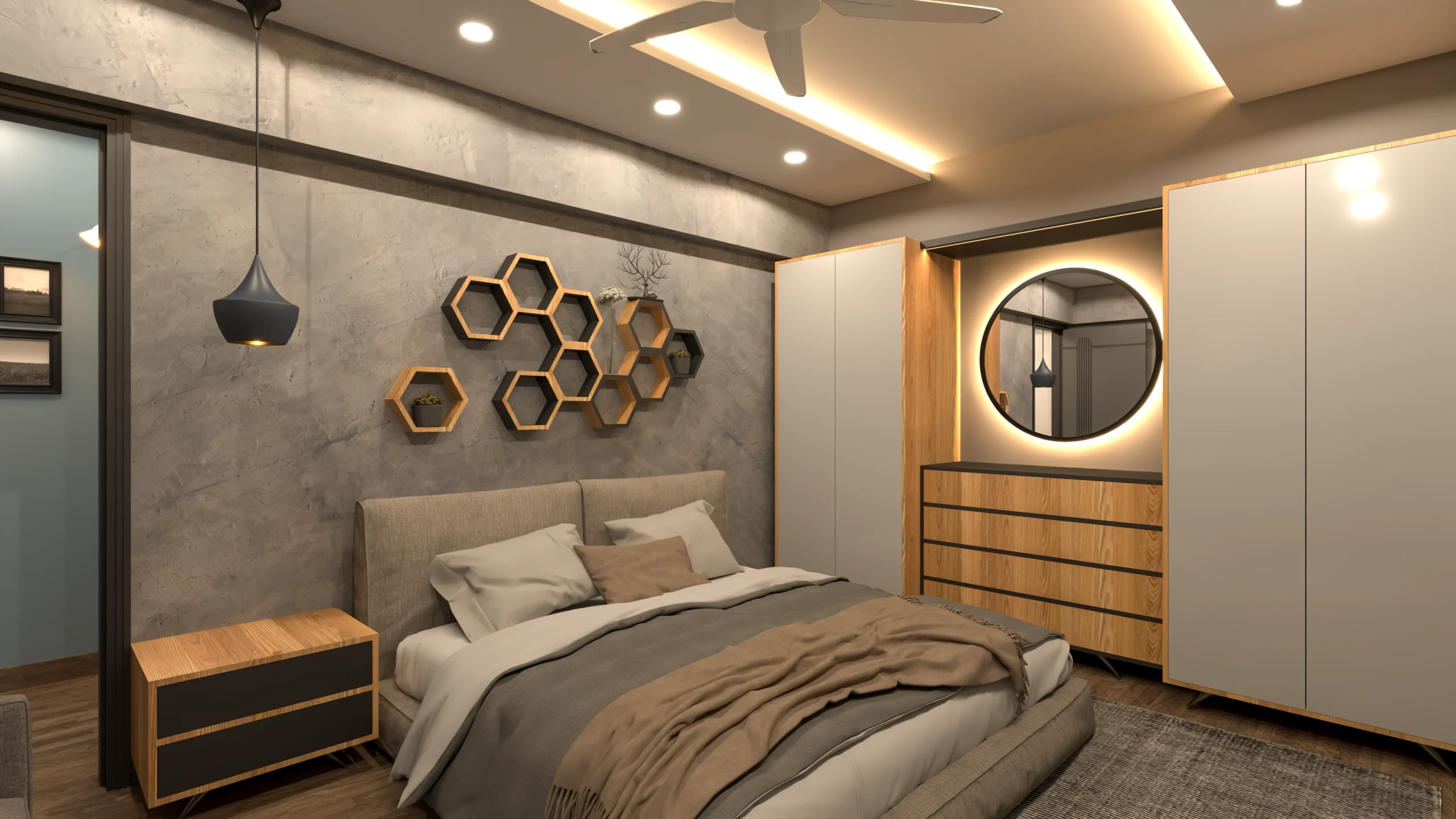
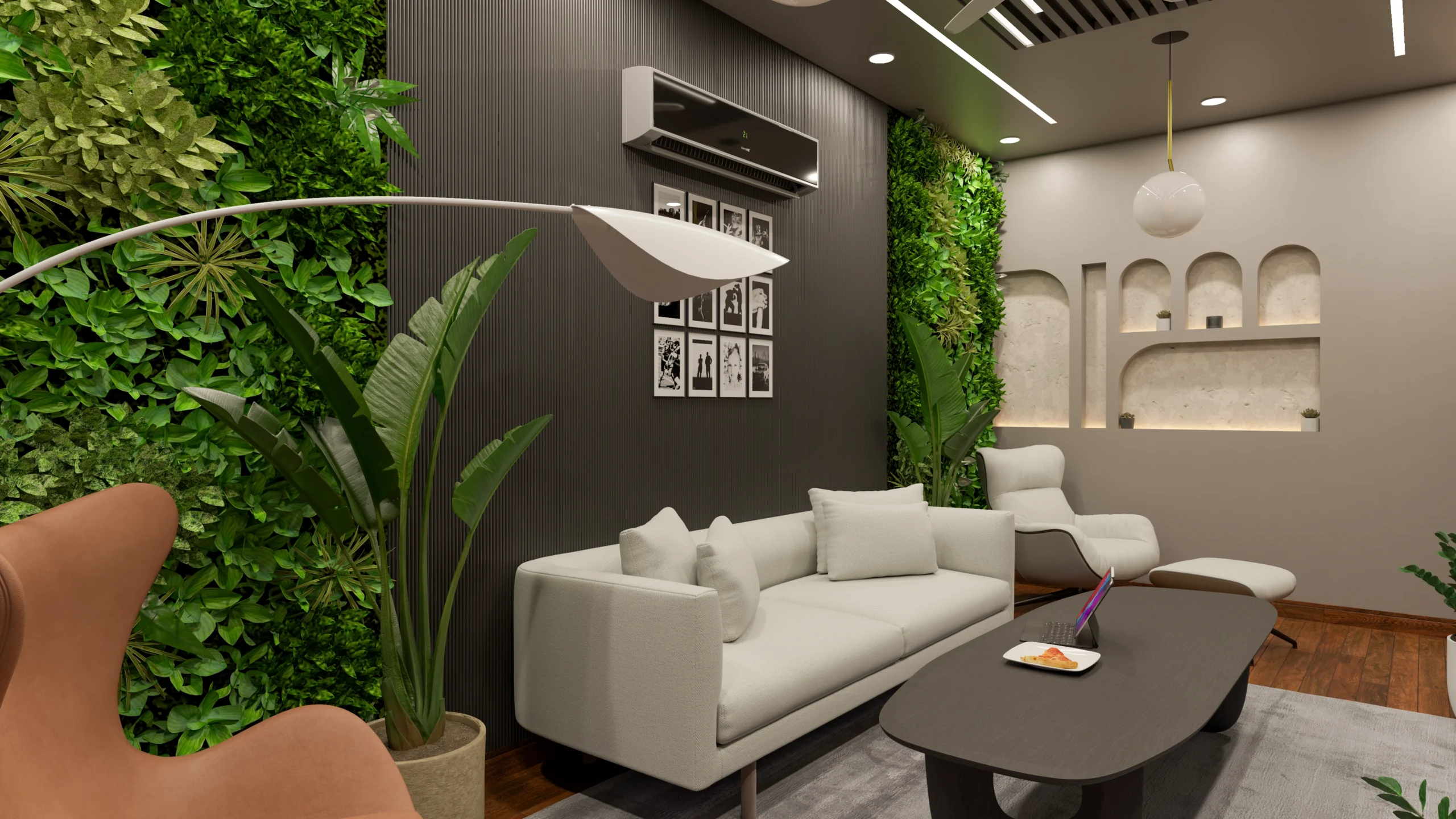
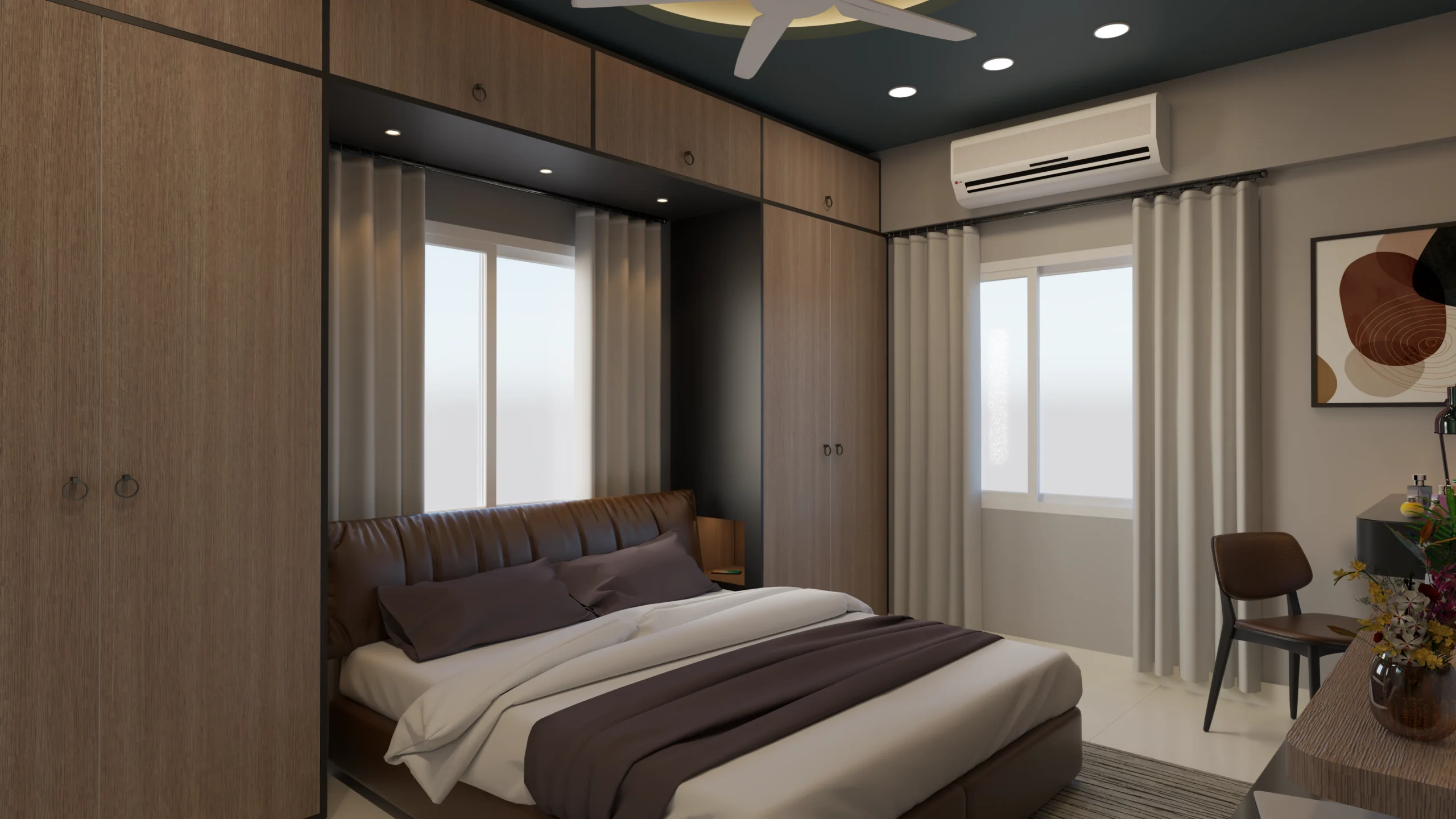
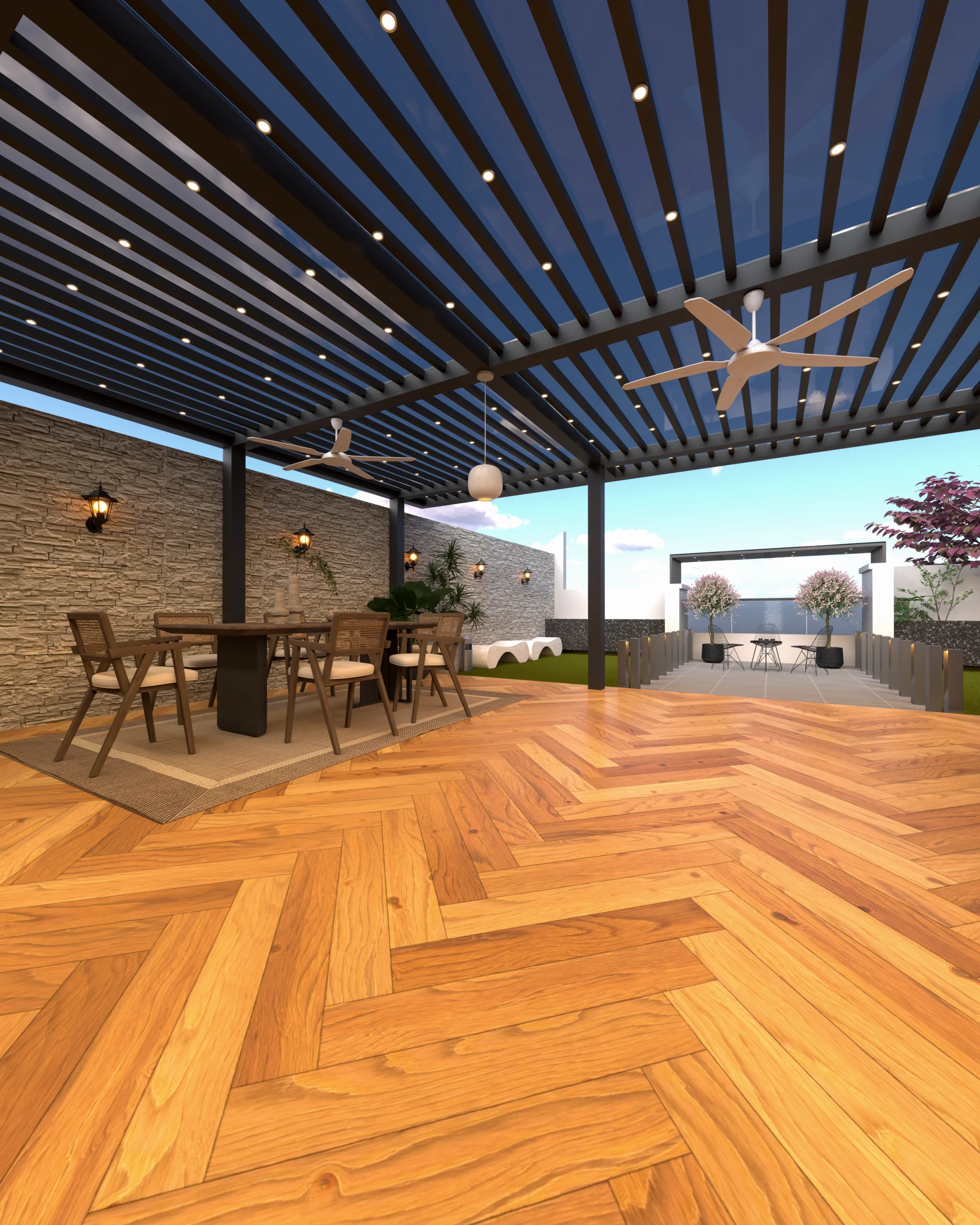
We create bespoke, timeless interiors through expert design and 3D visualization — delivering personalized, functional, and elegant spaces that reflect your lifestyle and solve your unique design challenges.
Style is momentary. Strategy is timeless.
Kazim Ratnani
Founder
Strategic Design, Timeless Impact
From Vision Blueprint, Flawlessly Defined
The Shape Interiors provides specialized Interior Design Consultancy and high-fidelity 3D Modelling Services. Our expertise lies in engineering enduring design and superior function across all sectors: residential, commercial, office, hospitality, institutional, and industrial projects. We focus on the strategic architecture of interiors, ensuring lasting quality that goes beyond fleeting trends.
We turn your vision into a definitive, executable plan. Our rigorous consultancy and advanced 3D modelling capabilities deliver a complete, accurate visualization and a meticulous design roadmap. We craft the precise blueprint for your interior project, guaranteeing absolute clarity and confidence before any commitment to construction is made.
Elevating Spaces with timeless concepts since
0
Spaces transfromed, because your vision is our passion.
Blending functionality and aesthetics we craft designs that reflect your personality.
Each design begins with your story — shaped with creativity, functionality, and refined aesthetics.
Consultation
We begin by understanding your space, lifestyle, and vision. Through personalized discussions, we guide you with expert advice, creative direction, and practical design insights that set the foundation for your dream space.
3D Layout
Our 3D layout planning transforms your ideas into functional, visually clear layouts. Every element is designed to enhance flow, comfort, and aesthetic balance — helping you visualize how your space will truly come to life.
3D Modelling
Experience your future space with realistic 3D models that blend design precision, lighting, textures, and ambiance. We bring your vision to life before execution, ensuring every detail feels just right.
Discover Our Creations.
Begin Your Design Story
We craft meaningful spaces where every detail aligns with purpose — turning imagination into experiences you can see, feel, and live.
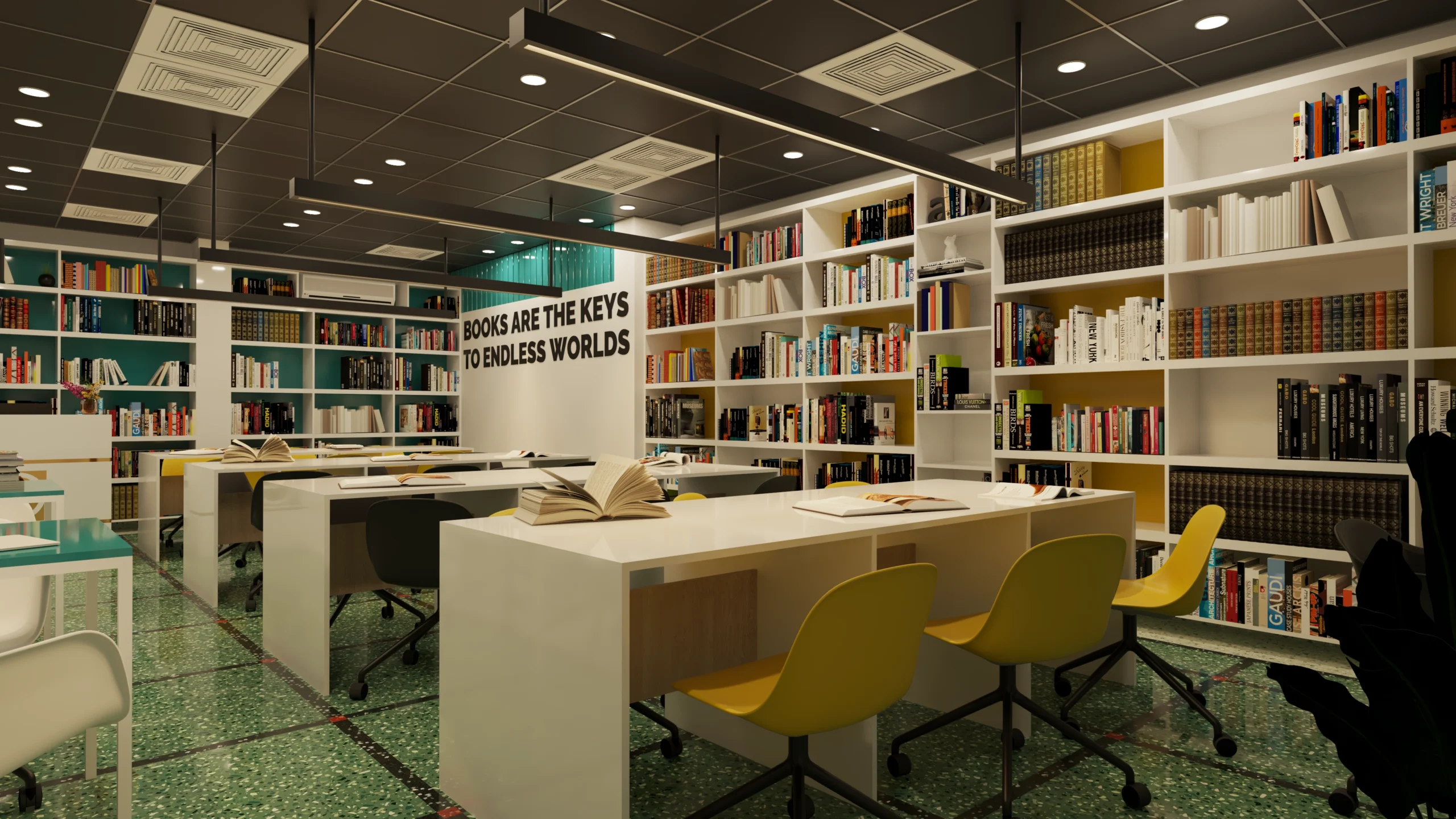
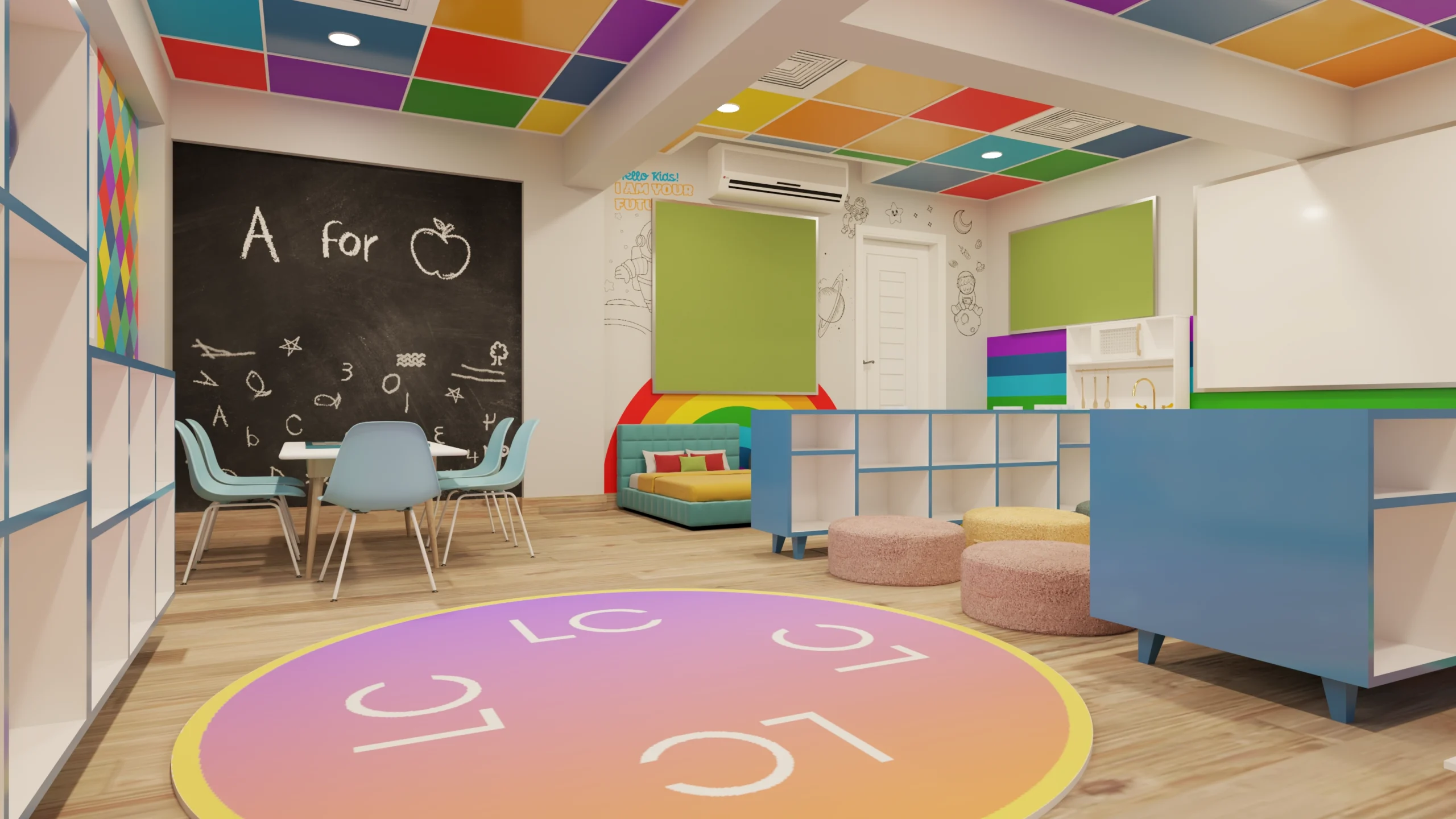
From modern apartments to luxurious offices and hospitality spaces — each project reflects a story of precision, passion, and personality. Every element is thoughtfully curated to create spaces that inspire and endure.
A refined blend of design harmony and functional elegance — crafted to balance sophistication with everyday comfort. Perfectly styled for those who appreciate timeless beauty in every corner.
A serene living experience defined by texture, warmth, and natural flow. Designed to reflect your individuality while enhancing comfort through subtle luxury.
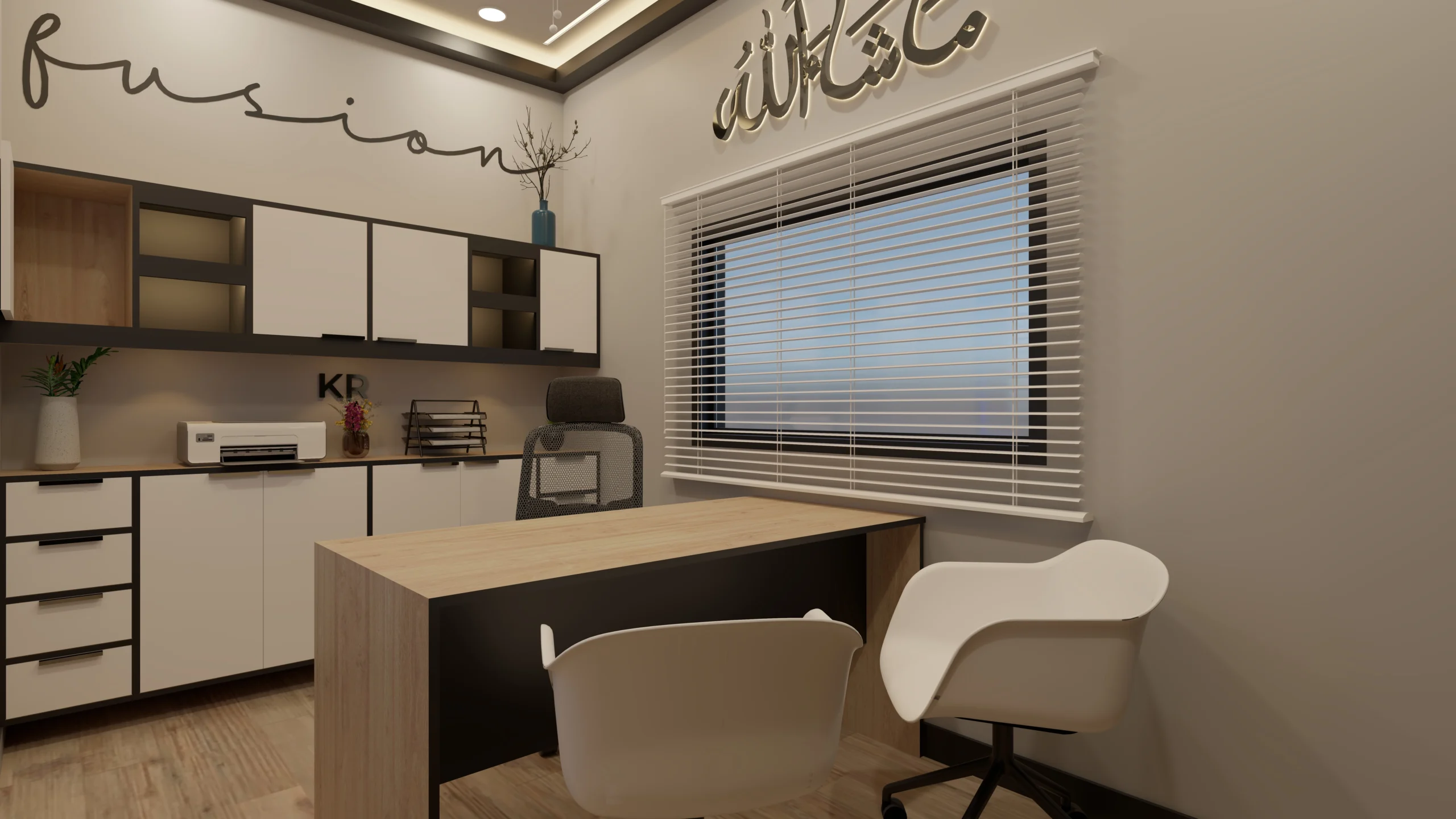
Workspaces that motivate and move you. Designed for clarity, collaboration, and calm, every office interior by The Shape Interiors enhances focus and defines brand character.
Where design meets experience. Every restaurant, café, and guest space is created to captivate the senses — blending ambiance, comfort, and visual storytelling effortlessly.
Let’s Reimagine Your Space.
Your vision deserves a space that feels uniquely yours. Let’s collaborate to transform your ideas into timeless interiors — crafted with purpose, passion, and precision.
We take pride in working with diverse clients who trust us to bring their vision to life with creativity, precision, and timeless design.
Testimonials
Reflections of Refined Spaces.
Our clients’ words inspire us to craft interiors that are not only beautiful but deeply personal. Every project reflects their vision, brought to life with precision, elegance, and thoughtful detail.
I am so happy with my room transformation. The Shape Interiors did an amazing job, everything turned out even better than I imagined! Their attention to detail and creativity made the process seamless. Highly Satisfied!
We had a wonderful experience working with The Shape Interiors. They demonstrated excellent design sense by suggesting a color theme that perfectly complements my home and enhances the overall look of the kitchen.
They made the most of the available space by incorporating smart and practical storage solutions, making the kitchen both functional and aesthetically pleasing. The final result exceeded my expectations.
Additionally, They were very professional and punctual throughout the process. All design renders were delivered on time, which helped in making confident decisions.
I would highly recommend their services to anyone looking for a well-planned, elegant, and efficient kitchen design.
I hired The Shape Interiors to design my room, and I am extremely satisfied with their work. From the beginning, their team understood my requirements clearly and delivered exactly what I was looking for.
The design was modern, elegant, and perfectly suited to the available space. The quality of workmanship, attention to detail, and finishing were outstanding. They also maintained excellent communication and completed the project on time.
Overall, my experience with The Shape Interiors was very positive. I highly recommend them to anyone looking for reliable, creative, and professional interior design services.
The Shape Interiors have done an excellent job! Everything was well planned & executed. They have played a huge role, & it’s undeniable that everyone should work with them. No complaints at all! Fantastic job they have done, & the design was impressive. The way they handled the space is great, with nothing obstructing the wallways. Excellent work! Thank you so much!
I just wanted to take a moment to appreciate the incredible work you’ve done on our office design. Your creativity, attention to detail, and abaility to blend functionality with aesthetics have truly transformed the space. The Layout feels modern, professional and welcoming!
I’m thoroughly Satisfied with The Shape Interiors. What Impressed me the most was their exceptional attention to detail and the brilliant concepts they provided. Every element reflected thoughfulness and creativity. Truly outstanding work.
I recently got my bedroom designed by The Shape Interiors, & I am beyond impressed! The attention to detail, the luxurious yet cozy ambiance, and the perfect blend of colors & textures have completely transformed my space.
My experience with The Shape Interiors has been exceptional. The design concept that was provided was not only outstanding but also within my budget, which I really appreciated. I thoroughly enjoyed the entire process and am extremely happy with the results. Thank you for making this such a positive & enjoyable experience!
I had an amazing experience working with The Shape Interiors! After a succesful hut redesign, I entrusted them with my Terrace design project, & they truly exceeded my expectations. The concept they delivered was both innovative & aesthetically pleasing.
The Shape Interiors designed my office, & I’m highly impressed! The design is modern, functional & aesthetically pleasing. Every detail was carefully considered, enhancing both my productivity & comfort. Highly recommended!
The Shape Interiors’ creative vision and ability to blend colors & texture have truly transformed the Space. I was particularly impressed with the attention to detail. The design solutions they proposed not only look fantastic but also improve the functionality of the Space.
We got our cafe designed from The Shape Interiors & MashaAllah, the work was truly impressive. They paid great attention to detail, ensuring a modern and stylish look. The design was flawless and delivered on time. Highly recommended for anyone looking for creative & professional Interior Design!
I would like to express my sincere appreciation to Kazim Ratnani from The Shape Interiors for the outstanding work he has done in designing my space. Kazim has successfully balanced both functionality and aesthetics, creating a space that not only looks exceptional but also serves its purpose efficiently. I am thoroughly satisfied with the services provided by Kazim and highly recommend him to anyone seeking professional interior design services. His attention to detail and commitment to client satisfaction is truly commendable.
The Shape Interiors did a fantastic job with my terrace redesign. The creativity, professionalism, and attention to detail were impressive. Definitely recommended!
The consultation we took from The Shape Interiors was indeed very helpful. Altough we didn’t opt for the full 3D Modeling services, the guidance you provided, particularly regarding placement layouts, lighting, and color schemes, was extremely valuable in designing our office. Overall it was a really good experience. InshaAllah, if we need assistance in the future, we will definitely reach out to you.
I’m Extremely Satisfied with The Shape Interiors. The Bedroom Design Concept was simply outstanding, rich in detail & thoughfully crafted. Truly Impressive Work!
Exceptional experience with The Shape Interiors! They transformed my beach hut beautifully & I’ve since entrusted them with multiple projects. The professionalism, creativity, & attention to detail are truly impressive. Highly recommended!
I had an amazing experience working with The Shape Interiors! Their attention to detail and creativity brought my vision to life.
The team provided highly realistic 3D models that allowed me to visualize every detail of my project before implementation, making the decision-making process seamless. Their commitment to balancing functionality and aesthetics is truly commendable.
I also appreciated their transparent pricing and professionalism throughout the project. Highly recommend them for anyone looking to transform their spaces into something extraordinary!
Our Team
The Minds Behind The Magic.
Lorem ipsum dolor sit amet, consectetur adipiscing elit. Ut elit tellus, luctus nec ullamcorper mattis, pulvinar dapibus leo.
Thomas Dalton
Interior Project Director
Lisa Rodriguez
Managing Director
Jack McKeanny
Architecture Design Director
Alesa Wong
Interior Design Manager
Send Us a Message
We’d love to hear from you. Share your vision, questions, or ideas, and our team will guide you to create a space that’s uniquely yours.